Reading Response: Chapter 13 and Argument Beyond Pro and Con
Ch. 13 emphasizes on Persuasion vs. Argumentation. Whether it is encouraging a person to feel the same way as another or to coerce a person into understanding a viable statement, it is important to have the appropriate backup. After reading the chapter, I was able to understand the difference between both and how one can relate to another.
Persuasion is a way to guide a person into doing or believing something. It is based on emotions and personal ideas or feelings about something. It can be used when arguing a point, along with presenting appropriate evidence, to allure the reader into believing and following the statement.
Argumentation is used to convince readers in a logical and effective analysis to agree with the main idea. It is backed up by evidence and supported with proper information. Both argumentative and persuasive writing are used to persuade.
In the comic Argument Beyond Pro and Con we see examples of both, argument and persuasion. It was a great way to represent the authors idea behind argumentative writing. The comics represented several real life situations, couples arguing, friends convincing friends. Being able to see the visuals helped paint a clean picture of why it is important to back up information with proper research and evidence, as many of the comics displayed.
Providing personal experiences and observations can help the reader identify with the author, and perhaps offer a better point of view. At times the truth may not always be convincing to a person, yet being able to relate and create a relationship might captivate a reader through his emotions and morals.
At times, I feel I have been caught under somebody else's persuasion regardless of facts. Other times, the information I got was of most importance when making a decision. When an author is trying to connect with a reader I think that both are as much influence when making any decision.
At times, I feel I have been caught under somebody else's persuasion regardless of facts. Other times, the information I got was of most importance when making a decision. When an author is trying to connect with a reader I think that both are as much influence when making any decision.
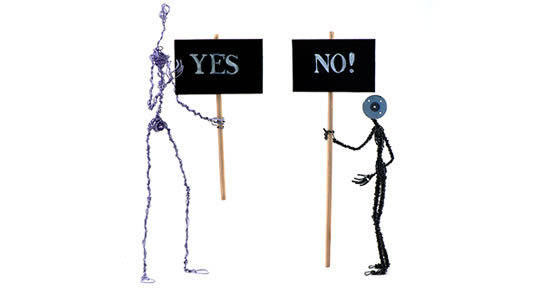 |
| Image: N.d. Http://www.spring.org.uk/2010/11/balanced-arguments-are-more-persuasive.php. Web. |

